
Lukas Podolski has enjoyed a career like few others. World Cup winner, fan favourite, prolific goal scorer and one of the most recognisable figures in German football, Podolski has managed to remain relevant long after many of his contemporaries retired from the game.
Netflix’s Poldi tells the incredible tale of the former Germany international, exploring both his triumphs on the field and the personality traits that have made him such a popular figure throughout his career.
Where a sports documentary would typically start with the usual talking heads, Poldi kicks off with an overview of the places and people that made Podolski. The film devotes a lot of time to his family life, his upbringing and his ties to the community, allowing the audience to know the man behind the footballer.
This adds a fresh personal touch to the documentary from early on. Podolski is a naturally engaging subject. He has a sense of humor, honesty and relaxed charm that make the film enjoyable immediately.
The documentary gradually moves into more familiar territory as it progresses. Ex-teammates, coaches and football figures reflect on Podolski’s career and the attributes that helped make him one of Germany’s most recognisable stars.
The film follows his journey from early childhood, after he had moved from Poland to Germany as a young child. Confronted with a new environment and new language, football was quickly a source of stability and purpose. His talent could not be ignored and eventually opportunities at FC Köln came his way, his rise through the ranks was at a remarkable speed.
Podolski’s career shot up quickly from his Bundesliga debut as a teenager to become one of Germany’s hottest young prospects. The documentary shows the growing expectations placed on him, particularly in the run-up to the 2006 FIFA World Cup, when he was one of the biggest hopes of the country.
Poldi focuses primarily on celebrating his achievements, though it does touch on some of the more difficult times in his career. There’s a focus on his difficult Bayern Munich days, with the film exploring his dissatisfaction with limited opportunities and the pressure of playing for one of the continent’s biggest clubs.
But the documentary doesn’t linger long on setbacks. Some aspects of Podolski’s career, including his spell at Arsenal, are surprisingly under-researched. If you want a more in-depth look at each stage of his football career, some of the more significant moments may be skipped over in order to provide a more positive story.
Structurally, the docu alternates between Podolski’s present-day experiences and key moments of his past. His final seasons as a professional footballer provide the framework for the story, with flashbacks to the major milestones along the way.
While this format allows the story to move at a brisk clip, it sometimes also prevents the documentary from exploring certain events more deeply. The film tends to be less analytical and more overviewish of Podolski’s career than it could have been.
Some of the documentary’s best moments are away from football altogether. The film gives great insight into Podolski’s relationship with his wife Monika and their son Louis. It highlights the sacrifices that need to be made to keep a successful football career whilst managing family life.
These personal moments add an emotional depth to the story and help to portray Podolski as more than an athlete. They lay bare the problems of maintaining relationships at the highest level of professional sport.
As the documentary nears what at first appears to be the end of his playing career, the viewer is given a window into Podolski’s thinking on life after football. He’s built successful businesses, but he admits openly that nothing is likely to replace the buzz and satisfaction he gets on the pitch.
That resolve becomes the narrative’s central theme in the documentary’s final act. Podolski opts to play on past the age of 40 as retirement beckons. It seems a perfect fit for the personality that the film has created throughout its run time – a man who is always looking for new goals and challenges.
The tale closes with another accolade as Podolski helps Górnik Zabrze to the Polish Cup as he continues to broaden his role with the club’s future. It’s a proper ending for a player who has always played against the odds in his career.
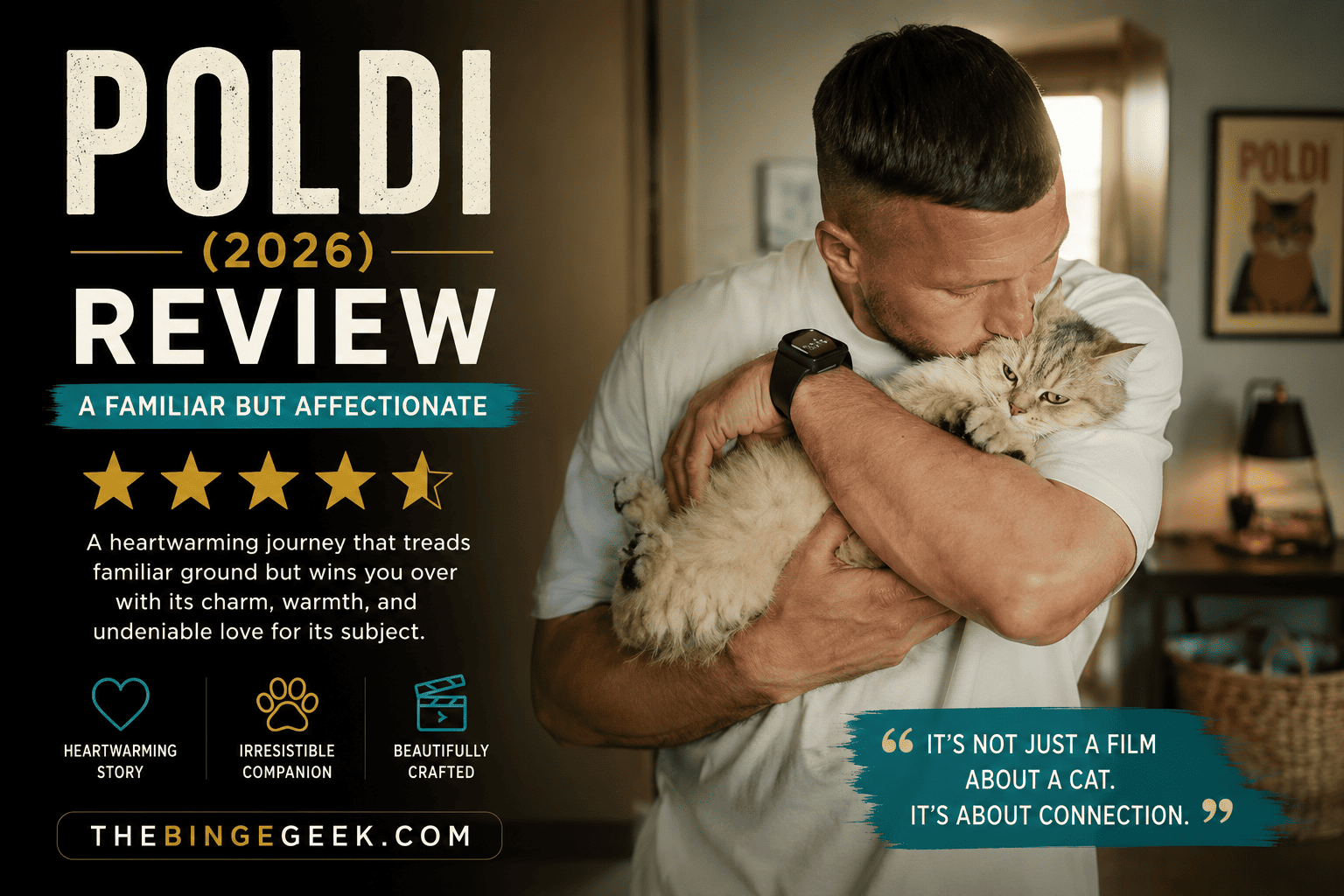
Poldi might not revolutionize the sports documentary landscape, and many of its narrative techniques will be familiar to soccer fans. But the film still manages to work on the strength of its subject. Lukas Podolski’s charisma, humour and love of the game make for a consistently entertaining watch.
Whether you’re a football fan or just a casual viewer, Poldi is an entertaining look into a player whose story is so much more than trophies and stats. It is a loving tribute to a footballer who still proves that age is no barrier when the love of the game remains as strong as ever.# Judgement
Poldi is a fun and heartfelt football documentary about the career, personality and longevity of Lukas Podolski. The film may gloss over a deeper dive into a few chapters of his career, but it’s still compelling to watch thanks to its charismatic central figure and inspiring message about passion, perseverance and purpose.
**Rating : 4/5 **