
Episode 1: This is how we met Sam Bateman.
The Prophet, the Queen, and a Camera: Episode 2
Episode 3: He Wore a Lot of Paranoia
Episode 4: I See That Girl from a Different Angle
Faith is often formed in childhood. Many people get their beliefs from their families. They carry on traditions and values into adulthood and pass them on to their children. Faith can give life meaning and order, but there is a thin line between believing and being blindly devoted. When that line is crossed, Netflix’s Trust Me: The False Prophet looks at what happens.
Rachel Dretzin, who has won both an Emmy and a Peabody Award, directed this four-part documentary series about Christine Marie, a former cult member who is now an expert on cult psychology. The series looks at how manipulation, fear, and authority can change faith into something much more dangerous through her own life and work.
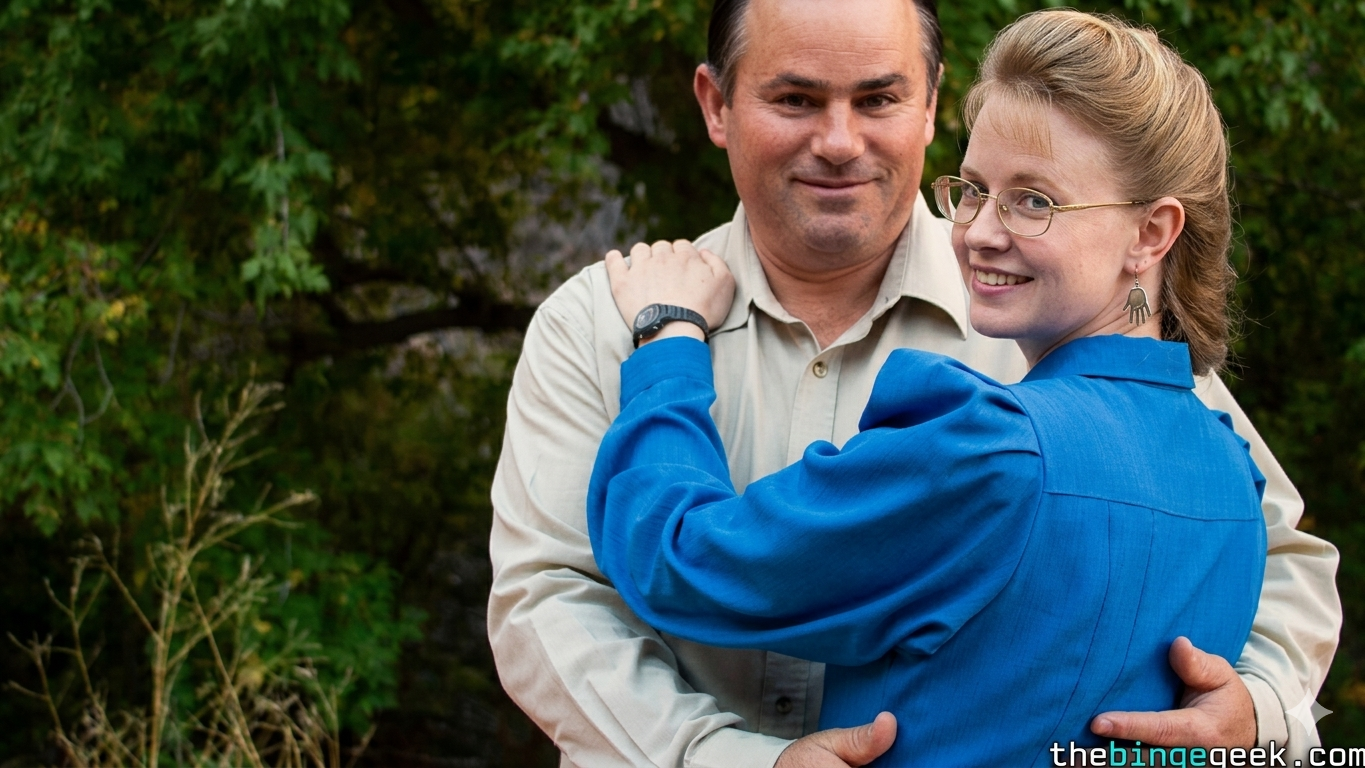
Christine and her husband, videographer Tolga Katas, move to Short Creek, Utah, which is the main focus of the story. They meet a very closed-off religious group led by Samuel Bateman, who calls himself a prophet. What starts as an effort to understand the group quickly turns into a more in-depth look at Bateman’s power and control.
Christine tries to earn Bateman’s trust throughout the series while keeping track of how he acts and how the community is set up. With Tolga’s help, the couple gets rare, private footage that shows how the group works. The documentary slowly shows a pattern of manipulation, coercion, and abuse that has been going on for a long time.
As the episodes go on, viewers see how Bateman uses fear and mind control to stay in power. The first half of the series shows how followers, both men and women, lose their freedom and are taught to obey without question. The story gets more and more disturbing as it shows how much grooming is going on in the group, especially with kids.
Christine’s interactions with victims are some of the hardest parts of the series. The documentary isn’t afraid to show how abuse and indoctrination can hurt people mentally for a long time. It’s even worse that parents don’t protect their kids because they blindly believe in something.
The series also makes people wonder a lot about who is responsible. It’s frustrating to see Bateman’s unchecked power and the community’s unwavering loyalty, but it’s even more worrying that law enforcement hasn’t stepped in quickly enough. Even though people have tried many times to draw attention to the situation, real change is slow to happen, which shows how deeply ingrained the belief system has become.
In the end, Trust Me: The False Prophet is not just about one person; it’s also about the systems that let people like him thrive. Christine’s tenacity and meticulous record-keeping are essential in constructing a case against Bateman, transforming her inquiry into a formidable act of defiance.
The outcome is a gripping and disturbing documentary that gives a rare look inside a secretive community. It shows how dangerous blind faith can be and how brave you have to be to question it, which makes it a gripping and thought-provoking movie.