
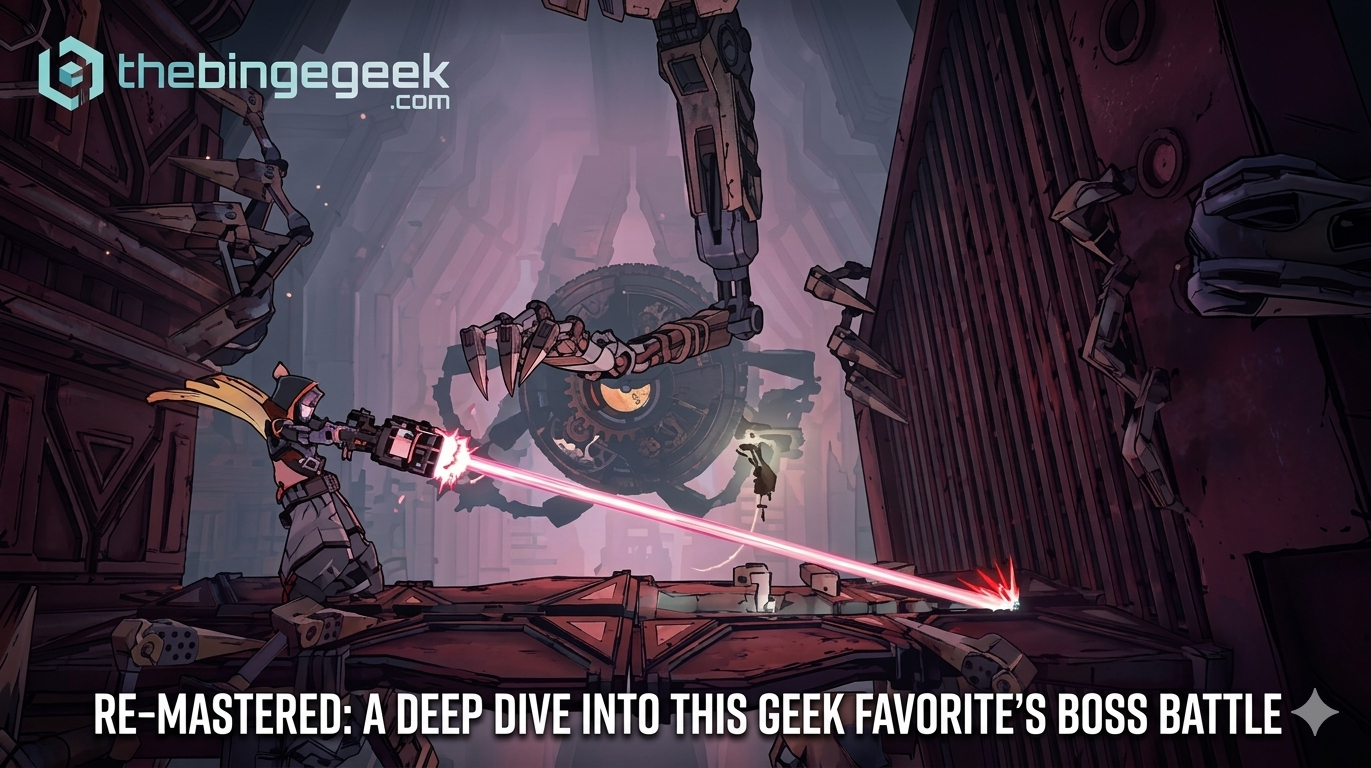
Silksong was a huge hit last year, so any new metroidvania has a lot to live up to. Memories in Orbit doesn’t try to go that way. Instead, it confidently defines itself, giving the genre a unique, robotic twist that is both new and satisfying.
Strong First Impressions with Visuals and Atmosphere
From the very beginning, the game makes a strong impression with its striking graphics, moody music, and consistently well-designed levels. It’s one of the best games of 2026 so far, with a polished and immersive experience.
Balanced Length and Engaging World-Building
Most of the time, playtime lasts between 15 and 25 hours, depending on how skilled you are and how much you want to explore. It strikes a good balance between being hard and not too hard, and being atmospheric without being too heavy. The game trusts its world-building, letting the design and setting tell a lot of the story.
Simple Yet Effective Story Setup
The story is simple but works well. You are MIO, and you wake up on The Vessel, a huge ark ship. It’s clear that something is wrong; either the AI caretakers are broken or they aren’t there. Your job is to find these giant, floating, eye-like things and get their Pearls back. To keep the ship from shutting down completely, these must be sent back to a central hub called The Severed Spine.
The Severed Spine and World Design
The Severed Spine is where you start and the main hub, and it leads to many other areas. Each area is beautifully made, and the hand-drawn animation brings it to life. The art style is unique because it uses pastel color schemes, cel-shading, and sketch-like outlines to make the game look like a painting.
Immersive Music and Sound Design
The great music adds to the mood even more. Nicholas Geuguen wrote a score that makes every moment better without being too much. The music changes styles and tones, and the boss themes are especially memorable. The sound design makes even the frequent backtracking more interesting.
Evolving Gameplay Mechanics
Memories in Orbit really shines when you play it. The mechanics start out simple, with just basic movement and combat, but they get more complex as you play. Exploring the world unlocks abilities like gliding, dodging, and even full map access. This gives you that classic metroidvania feeling of progress.
Challenging Platforming and Difficulty Balance
That being said, the game is not easy at all. Parts that involve platforming can be hard, and they often need perfect timing and execution. Certain parts will test both your patience and your skill, but they aren’t as hard as some of the hardest platformers. Optional challenges, like getting to hidden areas, make the game even harder, and required sections make sure that players understand the mechanics completely.
Limited Guidance and Exploration Challenges
The level design is usually good, but the game doesn’t give you much help. Players often have to figure things out on their own, using vague hints from NPCs. This can be fun because it makes you feel like you’re discovering something new, but it can also be confusing at times. Sometimes, goals aren’t clear or aren’t communicated well, which can throw off the timing.
Checkpoint System Issues
Another small problem is where the checkpoints are. It can be annoying to have to do short platforming sections over and over again before boss fights, especially if you’ve already failed a few times. It doesn’t ruin the experience, but it does make encounters that are otherwise well-designed a little less fun.
Simple Combat System
Unfortunately, combat feels a little limited. The core combat system stays mostly the same, even though movement abilities get better over time. MIO uses a basic combo and an attack from above. Most of the time, players have to move around, dodge, and wait for safe openings. It’s easy to see when an enemy is going to attack, which makes the fight fair but not very exciting.
Boss Fights: Memorable but Repetitive
This simplicity is more obvious when you’re fighting bosses. Some fights, like Nabuu, Sawlong, and Anra: Anti-Rat Weapon, are fun and stick with you, but others feel like they happen over and over again. Many bosses have similar attack patterns and mechanics, which makes the game feel less varied.
Modifier System Adds Strategy
The Modifier system is one of the best parts of the game. These modifiers let you change your abilities in ways that give you different bonuses and trade-offs instead of the usual upgrades. At first, there aren’t many slots, so every choice matters. Later, more complicated choices come into play, like giving up stamina for more slots or lowering damage for more flexibility.
Build Variety and Replay Value
This system makes the game more complex and strategic, which makes up for the fact that combat is simple. It makes players want to try out different builds and change how they deal with problems.
Rewarding Exploration and Side Content
Exploration is just as rewarding. There are secrets, collectibles, and extra content all over the world. Coating Components make you healthier, and Old Cores can be used to make things better. Side quests, secret areas, and lore entries give the game more depth and make it more fun to play again, especially for people who want to do everything.
Final Verdict: A Strong Entry in the Genre
In general, Memories in Orbit is a strong and impressive addition to the metroidvania genre. It has some problems, like not having enough variety in combat and design issues that can be annoying, but its strengths far outweigh its weaknesses. The art direction, world design, and progression systems work together to make an experience that will stick with you.
Why You Should Play It
It sets a high bar for 2026, even though it came out early in the year. Fans of the genre will love it, and it’s easy to recommend to anyone who wants a deep, atmospheric adventure that stays with them long after the end.