
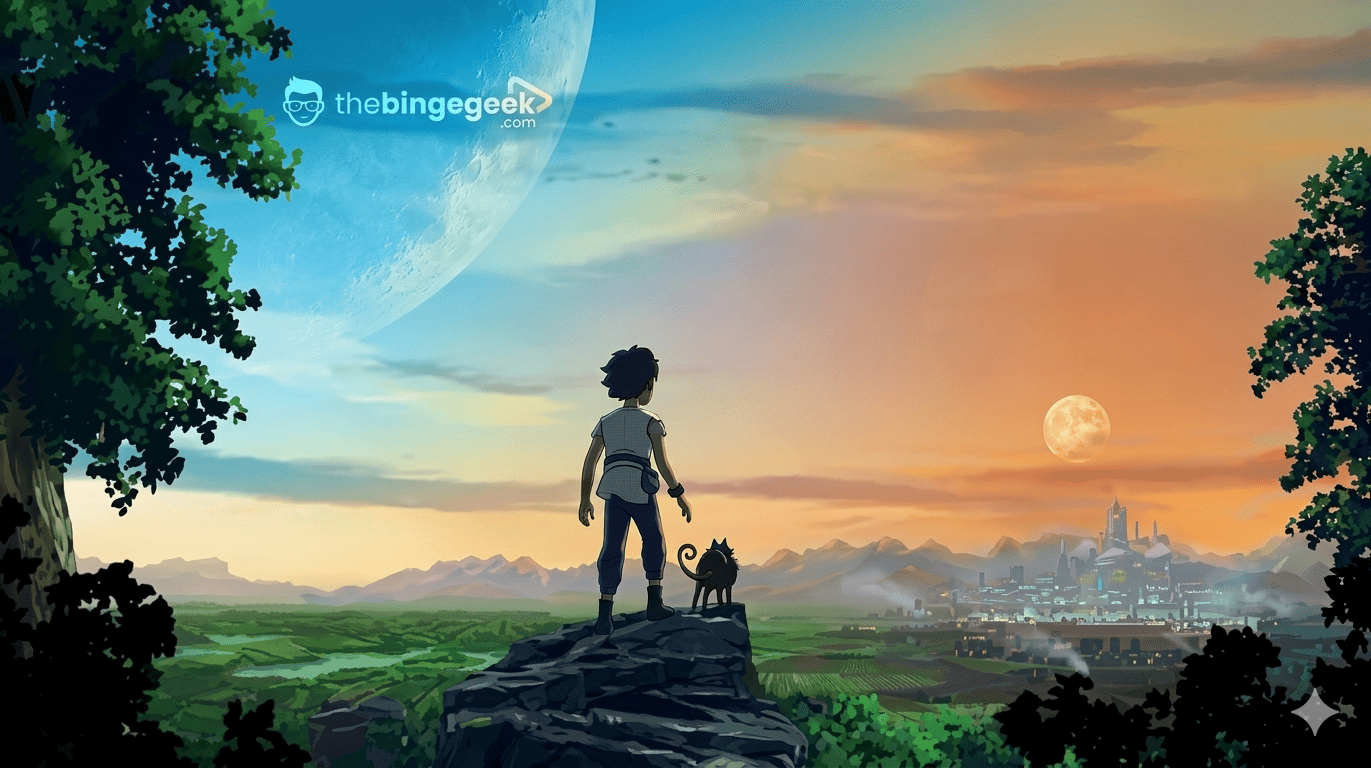
Planet of Lana 2 is a sequel that takes a big step away from complicated mechanics and focuses on telling an emotional story. Even though the gameplay isn’t always great, the journey is so well made that it sticks with you long after the credits roll.
Atmospheric World and Immersive Mood
The mood is what makes this experience what it is. The game makes the world feel real without using a lot of dialogue. Its beautiful art direction, strong use of environmental storytelling, and unforgettable soundtrack all help to do this. The puzzles might not be as well-designed or hard this time, but the story is strong enough to keep the experience going through the less exciting parts.
Do You Need to Play the First Game?
You don’t have to have played the first game to understand the sequel, but knowing a little about it does help. The story is still purposefully unclear, so players have to figure out what happens and what it all means on their own. It’s best to play the game without knowing what happens next because that sense of mystery is part of what makes it fun.
Story Overview – Lana and Mui’s Journey
The story is once again about Lana, a teenage girl, and her loyal friend Mui as they travel through a planet that is both beautiful and full of technology that doesn’t work. This time, their home has changed. New technologies have made things better, but they’ve also made people greedy and unbalanced. As different tribes deal with these changes in their own ways, tension rises and the world starts to break apart. Lana and Mui had to leave their home and go on a journey through different areas to deal with a growing crisis.
Environmental Storytelling and Narrative Style
The story relies more on pictures than on words to tell it. A deeper sense of history comes from small background details, environmental set pieces, and hints that are spread out. The game trusts players to figure things out on their own, which makes each discovery feel more personal.
Ending Explained – Open and Thought-Provoking
The ending is more open and unclear. Not everyone will like it, but it seems planned, which makes it seem like the problems in this world are far from over.
Improved Visuals and Cinematic Presentation
The game’s art style is an improvement over the original in a number of ways. Each chapter has its own sounds and settings, and the later ones have more variety and size. The camera often pulls back to show wide landscapes, which makes the movie feel more like a movie. The presentation is always great, no matter if you’re in a forest, ruins, or an industrial area.
Gameplay Mechanics – Simple but Limited
But the gameplay is more limited. The platforming is easy and accessible, and it is meant to support the story rather than challenge the player. This method keeps the game’s pace and tone, but it also means that it doesn’t often get as deep as other puzzle-platformers.
Lana and Mui Abilities Explained
The main mechanics are based on switching between Lana and Mui. Lana is in charge of physical tasks like climbing and turning on machines. Mui is more flexible and can interact with creatures and turn off threats. These mechanics work well together, but they don’t change much over time, which makes it feel like you’re not making much progress.
New Ideas That Don’t Go Far Enough
There are some new ideas, especially in the later chapters, but they don’t go far enough. Some sequences suggest that the gameplay could be more complicated, especially when you need to switch characters quickly, but these moments come too late to have a lasting effect.
Creatures and Unique Gameplay Elements
There are also different creatures in the game that are connected to certain chapters. Some add interesting new ways to play, like creatures that can hide your vision or get into tight spaces. Some characters are more unusual, like soft, cotton-like beings that are used in bad ways, which can feel out of place with the game’s main themes.
Themes – Technology vs Nature
Even though there are some inconsistencies, the game’s themes are still clear. It looks at how technology affects people and how people interact with nature. The visual design does a great job of reinforcing these ideas as the environments change from bright, natural ones to dark, industrial ones.
Emotional Core and Character Bond
The emotional core of Planet of Lana 2 is what really makes it great. As the journey goes on, the bond between Lana and Mui grows stronger, pulling players into their story. By the end of the book, the emotional investment feels well-deserved, thanks to a number of strong moments.
Soundtrack and Music Impact
The soundtrack is a big part of that effect. The music is a big part of the experience, and the piano theme that plays over and over again stays in your head long after the game is over. It goes perfectly with the story, making both quiet parts and emotional peaks even better.
Final Verdict – A Memorable Narrative Experience
Planet of Lana 2 isn’t the most mechanically impressive puzzle-platformer, though. It doesn’t want to be. Instead, it tries to give you a movie-like experience that makes you feel something. The journey is still memorable, even if the gameplay isn’t as good as the presentation.
Should You Play Planet of Lana 2?
This game puts feeling ahead of challenge, and for a lot of players, that’s all they need.