
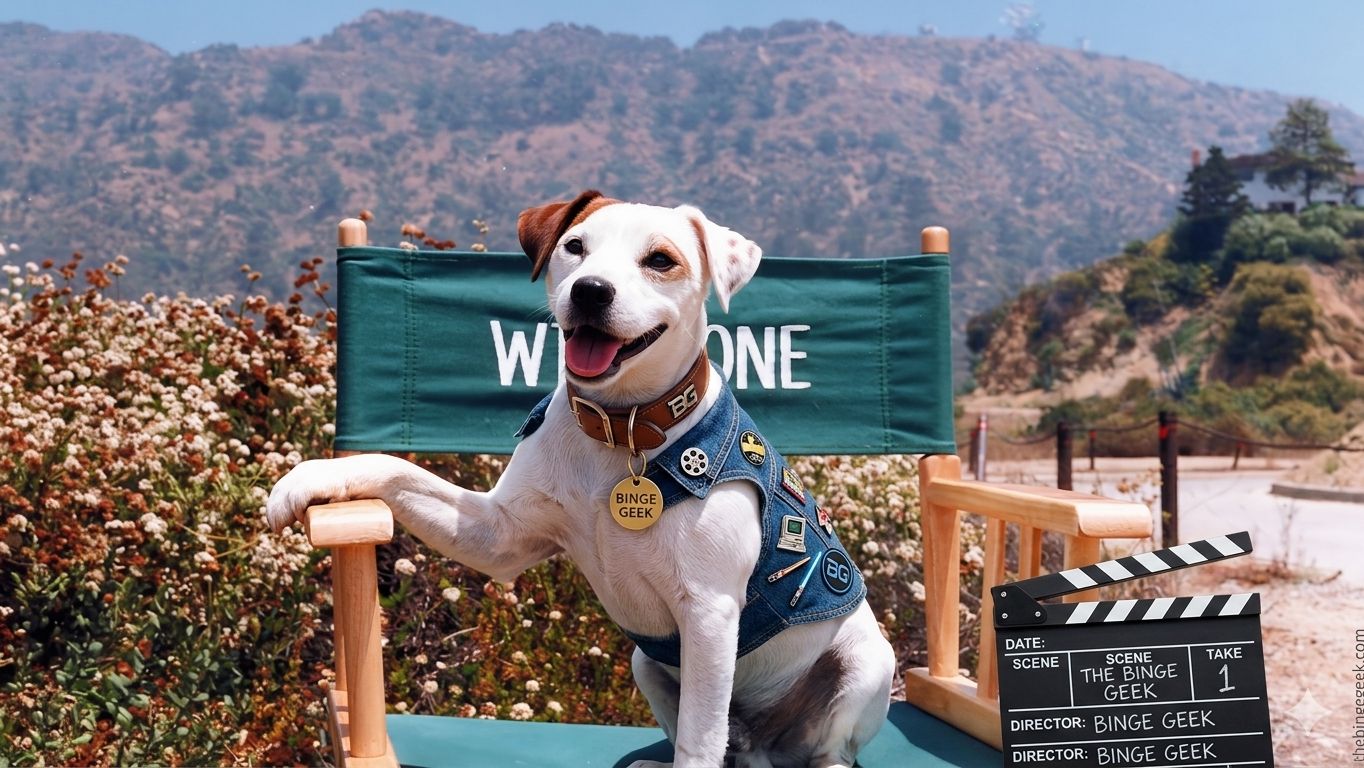
For many millennials, their love of books and storytelling began with one small dog and a big imagination. What’s the Story, Wishbone? the new documentary about the beloved PBS series, explores the cultural impact of the smart Jack Russell terrier who brought literature to an entire generation in a way that was fun, accessible and unforgettable.
In a recent conversation with producer and voice actor Larry Brantley, writer Stephanie Simpson and director Joey Stewart, the creative team behind the documentary reflected on the intense production process, the unexpected success of the original series, and why Wishbone continues to resonate more than three decades later.
The Challenging Production of Wishbone
“Making the original series was more exhausting than many fans probably realized,” Stewart says. The crew worked on an incredibly tight schedule, shooting one story and getting ready to shoot the next.
Now looking back, Stewart admits he is not even sure he would take on the same challenge again because of how demanding the production became. PBS asked for more content after the initial success of the show, and the series would eventually grow to 40 episodes, and even a television movie.
The pressure was on, but the team managed to create something timeless.
Larry Brantley Was There Daily
Larry Brantley, who provided the voice of Wishbone’s inner monologue, said he was very involved during production. Instead of recording separately, Brantley did his work on set as scenes were being filmed.
To ease the process, the production crew even built him a custom recording booth designed to fit between sound stages. That arrangement allowed Brantley to remain connected to both the cast and Soccer, the talented Jack Russell terrier who played Wishbone on screen.
And yes, fans still have much love for Soccer all these years later.
Wishbone and the Might of CGI
One of the more interesting stories from the interview was about early conversations about how Wishbone would talk to audiences. At one point, the creators even considered using CGI to animate the dog’s mouth to talk.
The plan was eventually dropped.
Rather, the show relied on voice acting, body language, and imagination to help viewers relate to Wishbone. Brantley said that kids immediately got the idea and never wondered why the dog’s lips weren’t moving.
That creative choice ended up being one of the series’ biggest strengths. Instead of overthinking the storytelling, Wishbone relied on charm, performance and the audience’s ability to believe.
The Legacy of Wishbone Continues
The documentary also looks at how the original series never really left pop culture. Teachers still use episodes in classrooms, longtime fans keep coming back to the show and many parents are now introducing Wishbone to their own children.
“Educators are often quoting the series because it promotes reading and creative thinking,” said Stephanie Simpson. Meanwhile, Brantley recalls meeting fans at conventions who say Wishbone inspired their love of literature and storytelling.
That emotional connection is one of the show’s most remarkable achievements.
Is a Wishbone Reboot Possible?
The talk, of course, also turned to the possibility of a reboot. Stewart said the rights to the property are not currently controlled by the creative team but there have been discussions over the years.
But fans shouldn’t expect an official revival anytime soon.
But what’s the story, Wishbone? is a powerful reminder of why the original series was so important in the first place. It never traded in flashy visuals or cynical humor. Instead it was about good storytelling, sincere acting and the personality of one unforgettable dog.
To long-time viewers, the documentary doesn’t read like a nostalgic trip, but rather evidence that the impact of Wishbone never really went away.